Spray Foam Insulation in Washington, DC
DMV Foam is a Falls Church-based insulation contractor working in Washington, DC almost every day. We handle the things that make a DC row house unique — leaky party walls, uninsulated brick, original 1900s framing, basement moisture, and the DCRA permit paperwork — and we do them at a fair price with no travel surcharge. From a single-room sound job in Adams Morgan to a full Navy Yard new-build envelope, our crews know the District's housing stock, code, and historic-preservation guardrails.
Request A Quote
Book Phone Consultation
Insulation Types We Install in DC
From historic row houses to new Navy Yard construction, we match the right material to the assembly.
Spray Foam Insulation
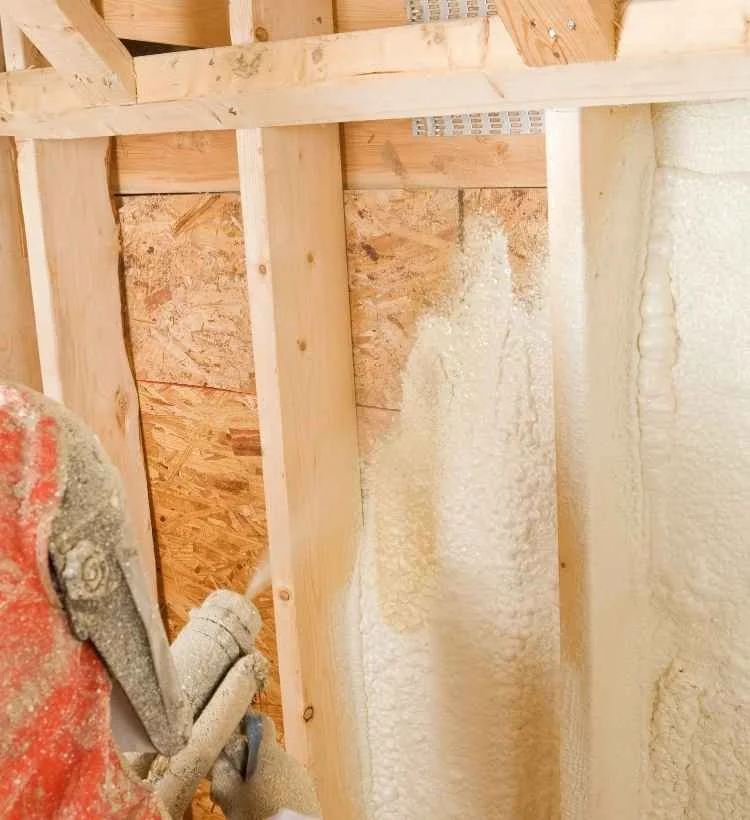
Closed-cell and open-cell spray foam for roof decks, basement walls, rim joists, and party walls. The only insulation that air-seals while it insulates — critical for leaky brick row houses.
Batt Insulation
Fiberglass and mineral wool batts for furred-out party walls, basement framing, and condos where modifying the structural assembly is restricted. Cost-effective and HPO-friendly.
Cellulose Insulation
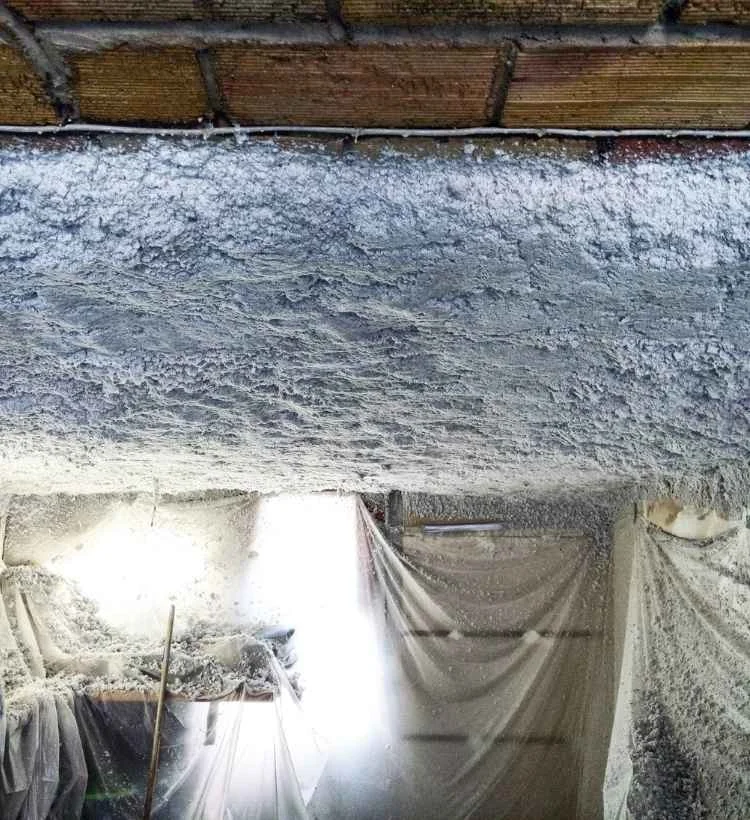
Dense-pack cellulose blown into the walls of pre-1940 row houses through small access holes. Vapor-open and ideal for plaster-and-lath walls that need to keep breathing.
Fiberglass Insulation
Standard and high-density fiberglass batts for new construction, condo build-outs, and any project where the budget is tight but the cavities are accessible and dry.

DC Row House Insulation: What's Actually Different
A Washington, DC row house is its own animal. You have load-bearing brick on three sides, a shared party wall (or two), original 1890s-1920s framing on the interior, a basement that touches the water table half the year, and a flat or shallow-pitched roof that sits in full summer sun. None of the techniques that work on a suburban colonial translate directly. We air-seal the rim from the basement, dense-pack the front and rear stud bays, and address the roof deck with closed-cell foam from the inside — preserving every inch of the historic exterior.
Our wall insulation service is built around DC's specific assemblies: brick-on-brick party walls get furred out and filled with open-cell foam for sound and thermal performance, while plaster-and-lath front walls get dense-pack cellulose through 2-inch access holes that we patch and repaint. Combined with our attic insulation work at the roof deck, most row houses see 25-40 percent off their heating and cooling bills in the first year.

Neighborhoods We Serve Across the District
Our trucks are in DC neighborhoods all week long. Capitol Hill — Federal-style brick row houses from the 1890s, all with the same uninsulated party walls and basement-moisture problems. Columbia Heights — early 20th-century rows where dense-pack cellulose in the front and rear walls is the highest-ROI move. Georgetown — Federalist and Victorian homes under HPO review, where we use vapor-open hybrid assemblies. Navy Yard & NoMa — new mid-rise construction and townhome infill, where we bid commercial-scale closed-cell envelope work. Adams Morgan — Wardman-style row houses with prized original interior detail. Dupont Circle — converted mansions and condo conversions where party-wall sound foam is the #1 request.
DCRA Permits, Historic Preservation & Doing It Right
DCRA permitting: The Department of Buildings (formerly DCRA) requires a permit for most insulation work that's part of a renovation, including roof-deck spray foam in unvented assemblies, basement encapsulation, and any work that touches structural framing. We pull permits in DMV Foam's name, schedule the inspections, and provide the as-built documentation — your only job is to be home for the inspector.
Historic Preservation Office: Capitol Hill, Georgetown, Dupont Circle, Mount Pleasant, and a dozen other DC neighborhoods are inside designated historic districts. HPO reviews exterior work, but interior insulation is almost always exempt. The exception is when an insulation upgrade requires new exterior venting (a power vent, a soffit retrofit on a flat roof). We design around that wherever possible — the goal is to upgrade the envelope without ever touching what HPO can see from the street.
Want to read more about how envelope upgrades pay back in the District? See our blog on energy savings for DC homes for the numbers we see across our customer base.
Cooling DC's Urban Heat Island
Downtown DC runs 5-7 degrees hotter than the suburbs because of all the brick, asphalt, and limited tree canopy. For a south- or west-facing row house with no insulation at the roof deck, that's the difference between a comfortable second floor and one that needs a window unit even with central A/C running. Closed-cell spray foam at the roof deck — combined with a light-colored roof coating where the membrane allows — drops attic temperatures 30-50 degrees on a 95-degree afternoon. We have hundreds of DC clients whose July-August electric bills are now 25-40 percent lower than the summer before we sealed the envelope.
Commercial & New Construction
Navy Yard, NoMa, Mount Vernon Triangle, and Capitol Riverfront have a steady pipeline of mid-rise residential and mixed-use projects, and we are a regular sub for envelope insulation on those builds. We work directly with GCs to bid closed-cell at code-compliant thickness, schedule around drywall, and deliver clean inspection-ready installs. For commercial fit-outs and tenant build-outs, we install batt and mineral wool to the architect's spec with documented R-values for LEED and EnergyStar certification.
Service Areas
25 minutes from our Falls Church headquarters to anywhere in the District.
Our Insulation Services in Washington, DC
Pick the material that fits your row house, condo, or new build:
Spray Foam Insulation in DC | Batt Insulation in DC | Cellulose Insulation in DC | Fiberglass Insulation in DC
Nearby Areas We Serve
DMV Foam also insulates homes and buildings in Arlington, VA, Alexandria, VA, Chevy Chase, MD, Bethesda, MD, Silver Spring, MD. See every community on our service areas page.